


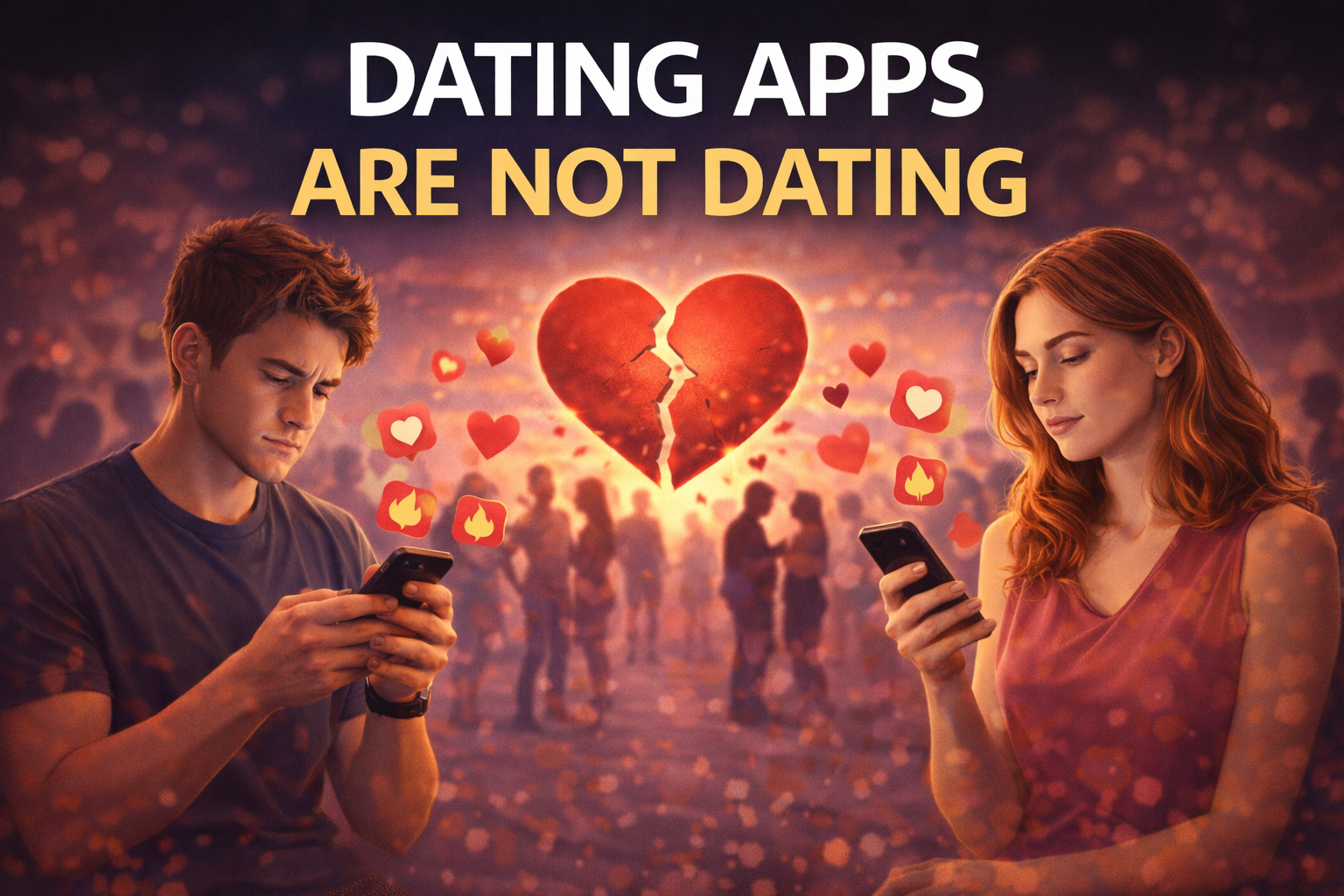
Use them to meet, but don’t live in them. They are supposed to be tools to spark connection in a busy world. Not a replacement for face to face and real interactions. People who want to keep it in the app too long may just be scared to meet, and want to make sure there´s compatibility before meeting. But the best way to parse those things is precisely by meeting in public!
I talk to a lot of people about dating and lately I hear the same frustration again and again. Endless swiping. Conversations that start fast and disappear faster. Dozens of matches and almost no real dates. People begin to feel like they are participating in dating without actually experiencing it. Dating apps promised something simple. More options, more connections, more opportunities to meet someone compatible and in some ways they delivered. You can open your phone and within minutes see hundreds of potential partners in your city. You can match with someone who shares a hobby, a sense of humor or even the same obscure band you love.
But there is a catch that I see constantly. The apps are very good at creating the feeling of progress while quietly keeping you in place.
I tell my clients something that often surprises them. Dating apps are tools for meeting people. They are not the place where the relationship should live. The goal is always the same. Move the connection into the real world as quickly and naturally as possible.
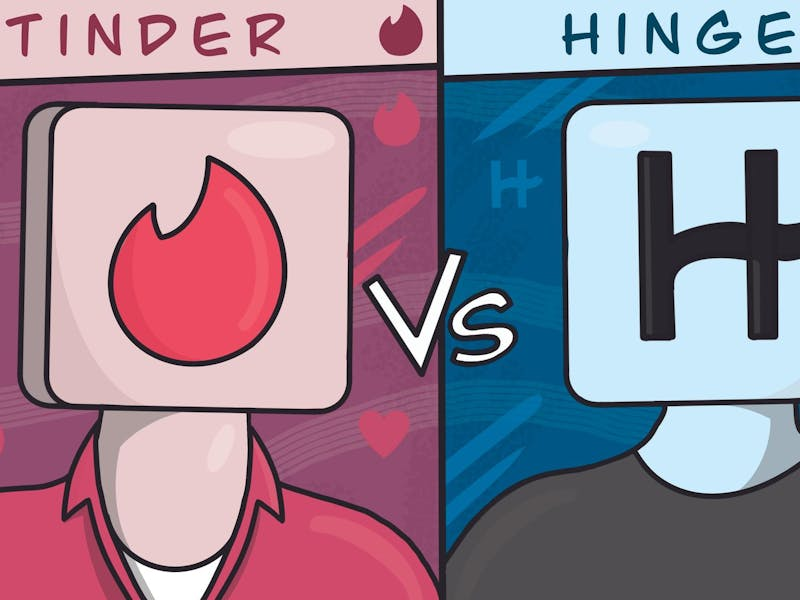
Before we get there it helps to understand what these apps actually do well and where they quietly get in the way. Most people know the two big names that dominate modern dating. Tinder and Hinge. They share many similarities even though their reputations are very different.
Both rely on the same basic mechanic. Swiping. You see a profile and in a second you decide yes or no. Attraction curiosity or simple impulse leads you to swipe right. Disinterest leads you to swipe left. The process is quick and strangely addictive. I have watched people open an app for five minutes and suddenly realize forty minutes have passed. They have looked at hundreds of faces and maybe matched with someone who seems interesting. Each swipe feels like opening a small mystery box. You never know if the next person could be exciting or a complete mismatch.
Both apps also rely on location. The people you see are usually nearby which means meeting in real life is technically easy. In a large city the pool feels endless. In smaller towns you start to see familiar faces more often. The apps also live in your pocket. Dating is no longer something you sit down to do at a computer. You can check messages in line for coffee or while waiting for a ride home. The convenience is undeniable. But that same convenience also changes the psychology of dating.

When something is always available it often becomes background noise.
Where Tinder and Hinge begin to differ is in the way they guide behavior. Tinder is built for speed. The profile setup is minimal. A few photos maybe? a short line of text, your height plus a couple inches and you are ready to swipe. You can join the dating pool in minutes. This simplicity is both its strength and its weakness. Because profiles are so short the entire decision process becomes visual. Many users swipe quickly and decide later whether they are actually interested. It becomes a numbers game. More swipes, more matches, more conversations… in theory.
For some people that works well. If you just moved to a new city or want to meet many different people quickly, Tinder can be useful. The atmosphere is loose and fast moving. Some people are looking for casual encounters. Others are just exploring. But this same environment also creates chaos. Matches may live far away or have nothing in common with you. Conversations often start without real intention and fade quickly.
I sometimes describe Tinder as the nightclub of dating apps. Loud, crowded and full of possibility but also full of distraction. Hinge takes a different approach. When you build a profile you are asked to answer prompts and share more about yourself. You choose photos but you also reveal small pieces of personality.
Someone might write about the most spontaneous thing they have done or the skill they wish they had. Another person might include a favorite travel story or a playful challenge.
Because of this structure people interact differently. Instead of swiping blindly you often respond to something specific. A photo, a comment or a joke inside the profile. This small difference changes the tone of conversation. When someone comments on your hiking photo or asks about a story you wrote the conversation already has direction. It feels less like starting from zero. In my experience Hinge tends to attract people who are more interested in building something meaningful. Casual connections still exist but the general mindset leans toward relationships.
None of this means one app is morally better than the other. They simply serve different purposes. If you want to meet a wide variety of people quickly Tinder can do that. If you want a slower environment where personality matters more Hinge often provides it.
But here is the part that many people miss. Neither app is the real arena of dating. They are introductions. Nothing more. I see many people make the same mistake. They spend weeks messaging someone. They share jokes, stories and even emotional conversations. Yet they never actually meet. At some point the connection fades. One person loses interest or gets distracted by another match. The potential relationship disappears before it ever had the chance to exist in real life.
This happens because text conversations are not the same as human presence. You cannot read body language. You cannot feel chemistry. Humor tone and warmth often disappear through a screen.
I tell people something simple. If the conversation is enjoyable you may suggest meeting within a few days. A coffee after work? Something small and natural. You are not rushing the process. You are moving it into the environment where real connection happens.
A short meeting tells you more about compatibility than weeks of texting.
I also encourage people to keep conversations light before meeting. Over messaging can drain energy quickly. When two people exchange dozens of messages every day they often run out of things to say before the first date even happens. Leave space for curiosity.
A thoughtful opener also goes a long way. Instead of sending a generic greeting read the profile and comment on something real. Ask about the hiking trail in their photo or challenge their claim about making the best guacamole in the city. This shows attention and effort which immediately separates you from the endless stream of identical messages.
Photos also matter more than most people admit. They are the storefront of your profile. A clear face, a full body photo and a glimpse into your life through hobbies or travel tell a story quickly. Authenticity matters even more. A profile that reflects your real personality attracts the right people and filters out the wrong ones. When someone meets you in person they should recognize the same person they saw online.
The real secret of dating apps is simple. They are incredibly effective at introductions but terrible at sustaining intimacy. The longer a connection stays inside the app the more fragile it becomes. The moment two people step into the same physical space everything changes. Energy, humor, attraction and compatibility become visible. That is where dating actually begins.

Conclusion
Dating apps are not the enemy but they are not the destination either. Tinder can help you meet people quickly. Hinge can help you find people who want something deeper. Both can open doors. But the real goal is always the same. Move from the screen to the real world. Because swiping creates possibilities but meeting creates connection.
