


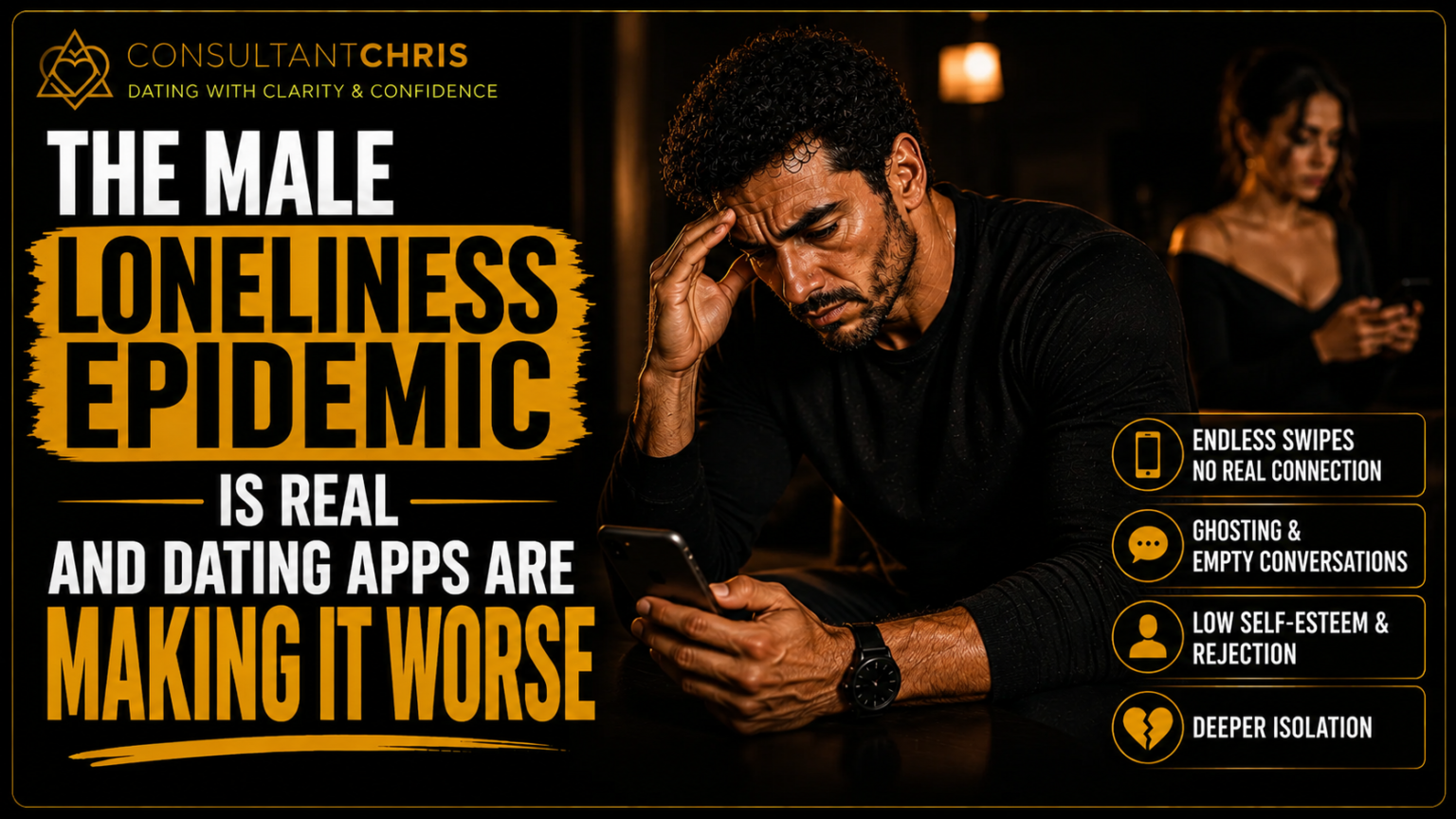
I want to talk about something that’s been getting a lot of attention lately and something that I think most of the conversation around it is getting half right.
The male loneliness epidemic. You’ve probably seen the headlines. Podcasts have covered it. Reddit threads have dissected it. The US Surgeon General cited loneliness as a public health crisis with mortality risks comparable to smoking fifteen cigarettes a day. And inside that broader crisis, there’s a specifically male configuration that’s worth looking at honestly.
Here’s what the data actually shows, and I want to be precise because the popular narrative has some important inaccuracies. Men and women report similar levels of loneliness on direct surveys. The gender gap in raw loneliness isn’t as dramatic as the headlines suggest. But where men are significantly different is in what that loneliness looks like underneath fewer close friendships, a greater tendency to rely entirely on a romantic partner for emotional intimacy, and a far lower likelihood of admitting the problem or seeking help before it becomes severe.
In other words: men’s loneliness runs masked. It shows up as irritability, overwork, gym obsession, excessive screen time, emotional flatness. Rarely as the word lonely. And that disguise is expensive because it delays recognition and tends to deepen the isolation it’s trying to medicate.
Now here’s where I want to add something that almost nobody in this conversation is saying.
Dating Apps Are Treating the Symptom While Worsening the Disease
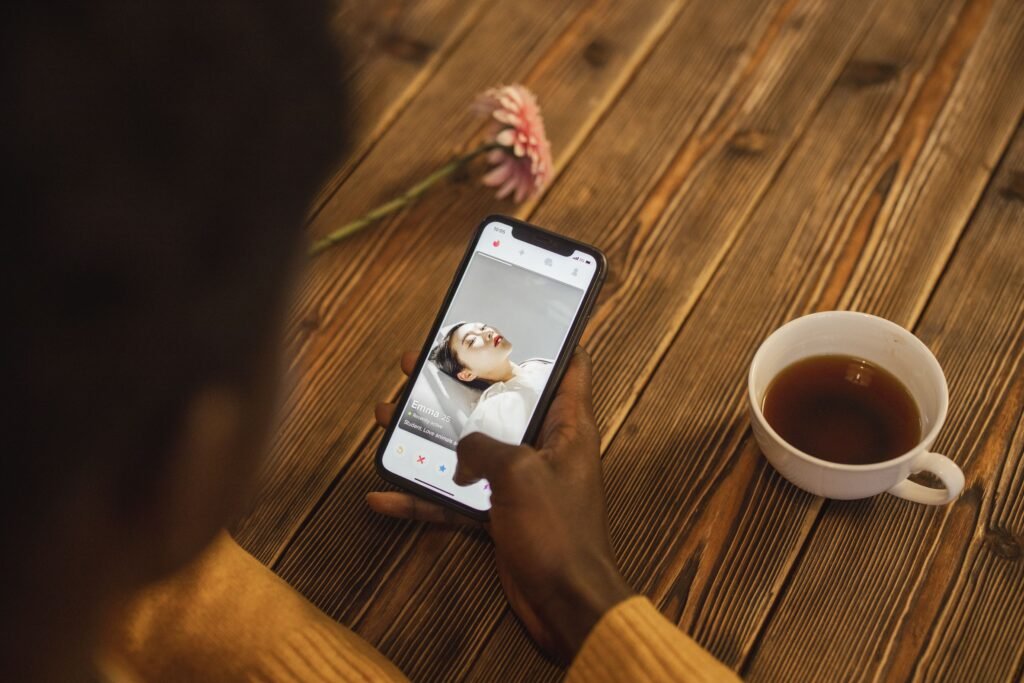
When a man feels lonely and disconnected, what does he do? In 2026, the answer for most men is: open an app. Tinder. Hinge. Bumble. The entire infrastructure of modern dating has been built around the premise that connection is a swiping problem that the right interface, the right algorithm, the right profile will produce the relationships men are missing.
I’ve already written about the business model problem with dating apps that they profit from your continued use, not your success. But I want to go deeper here, because there’s a loneliness-specific dimension that makes apps particularly counterproductive for the men who need connection most.
Apps produce a simulation of social engagement without the substance of it. You’re swiping, matching, texting all of which feel like social activity and produce enough low-level dopamine hits to take the edge off the loneliness without actually addressing it. It’s the relational equivalent of eating empty calories. You’re doing something. Nothing is actually being nourished.
Meanwhile, the skills that produce real connection, the ability to read a room, to start a genuine conversation, to be present with another person, to build something over repeated interactions — are atrophying from disuse. You’re spending hours on apps and getting worse at the actual thing the apps are supposedly helping you find.
The research on this is consistent. Studies on social media and loneliness show that passive consumption of social platforms tends to increase loneliness rather than decrease it. Dating apps are not social media in the traditional sense, but the psychological mechanism is similar: the appearance of connection without the experience of it leaves you feeling more empty, not less.
The Emotional Skill Gap at the Centre of This
Here’s the honest diagnosis, and I want to say it without blame because it’s a systemic failure, not a personal one.
Most men were never taught the emotional skills that build and sustain genuine connection. The system that raised them whether that’s family, school, or culture at large rewarded performance, suppressed emotional expression, and gave them almost no training in the competencies that relationships actually require. Self-awareness. Empathy. Vulnerability done right. The ability to stay present with another person’s emotional reality without shutting down or solving it.
These skills aren’t soft. In the context of loneliness, they’re survival skills. The research is unambiguous that social connection is one of the strongest predictors of both physical and mental health outcomes in men. And the capacity for genuine social connection depends directly on emotional intelligence.
Men who have developed these skills don’t tend to end up profoundly lonely. Not because their circumstances are automatically better, but because they have the internal resources to build and maintain real connection across different contexts, not just romantic partnerships. They build friendships that go beyond surface level. They create warmth in professional relationships. They attract and keep romantic partners who are genuinely compatible. The EQ skills that help you date better are the same skills that help you stop being lonely.
What Actually Helps

The way out of male loneliness is not more swiping. It’s not more content consumption. And it’s not performing some version of masculinity that looks healthy from the outside while the interior stays disconnected.
It starts with honesty about the problem. The mask that male loneliness wears the busyness, the gym, the fine needs to come off long enough to name what’s actually happening. Not as a dramatic confession. Just as an honest internal acknowledgment: I am more isolated than I want to be, and I want to change that.
Then it requires the deliberate development of the skills that create connection. This isn’t about becoming a different person. It’s about building the capability to let the person you already are be genuinely known by other people in friendships, in professional relationships, and in dating. That’s what emotional intelligence training actually produces. Not a slicker version of you. A more present, more real, more connected version.
The loneliness epidemic is real. But it’s not inevitable. And it’s not something you fix by opening another app.
The apps promise connection but often deliver the opposite. This connects directly to why you can’t handle loneliness in the first place, and real male friendships matter more than another swipe ever will.
