


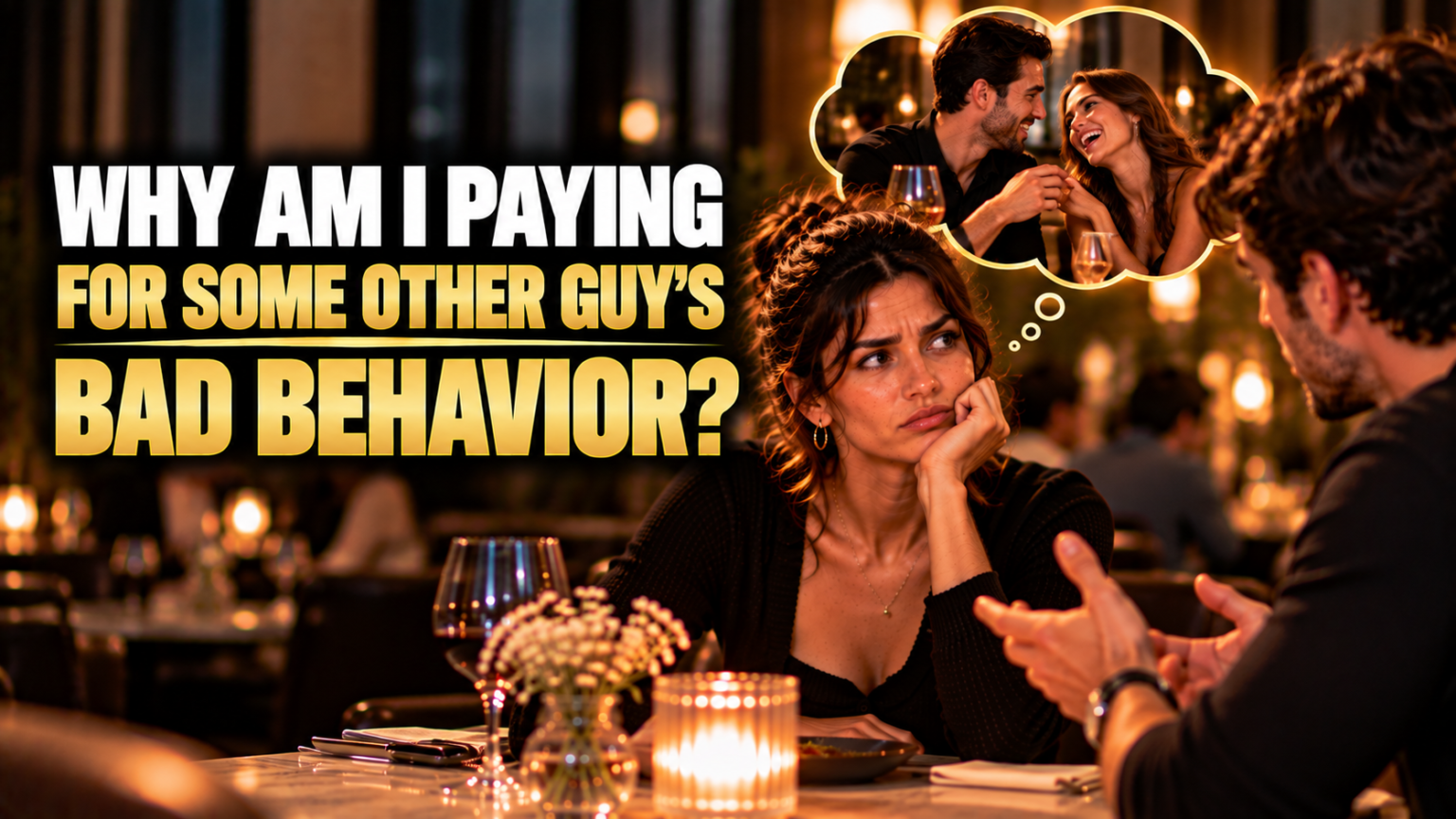
You show up to a new date already somewhat guarded, noticeably slower to extend trust, quicker to read a completely neutral comment as a potential red flag, and it genuinely isn’t really about the specific person sitting across from you in that moment. It’s leftover emotional residue from someone else entirely, someone who genuinely earned that particular caution through their own past behavior, and who’s long gone from the picture before you ever even get the chance to fully unlearn the specific caution they originally, legitimately caused.
It’s worth naming plainly that this is a genuinely real, reasonable, and completely understandable pattern, not some kind of personal flaw that needs to be urgently fixed overnight through sheer willpower alone. Anyone who’s been genuinely hurt in the past develops some form of protective response as a direct, natural result, that’s simply how human psychology consistently works across nearly everyone who’s ever experienced real relational pain. The genuine problem only shows up specifically when that protective guardedness gets applied indiscriminately and automatically, effectively punishing someone brand new for a debt they had absolutely no part in creating in the first place.

The honest, direct move, whenever you genuinely notice yourself doing this in real time, is naming it openly rather than simply acting on it silently without any explanation offered: ‘I’ve had a genuinely rough run of dating lately, so please bear with me if I seem a little more cautious than usual tonight.’ That kind of honest, upfront framing is considerably more generous to both people involved than quiet, unexplained suspicion ever manages to be, and it also, quite usefully, gives the other person real, useful context for interpreting your behavior accurately, rather than mistakenly assuming your visible caution is somehow a direct reaction to something specific they personally did.
It’s worth understanding, too, why this particular pattern is genuinely so hard to consciously interrupt once it’s already been established through repeated painful experience. Pattern recognition of this specific kind operates largely below the level of full conscious awareness, as a kind of built-in, automatic protective mechanism designed specifically to help you avoid repeating a genuinely painful experience you’ve already lived through once. It’s not a simple, easy matter of just consciously deciding to stop being guarded, the way flipping a light switch works. It requires real, active, ongoing practice at consciously separating the current person and situation from the old, original pattern that originally created the guardedness in the first place.
There’s a useful, practical distinction worth drawing here between healthy, reasonable caution and genuinely excessive, indiscriminate guardedness. Healthy caution means paying real, genuine attention to actual, concrete red flags as they specifically show up in this particular person’s real behavior. Excessive guardedness means treating every single new person as automatically guilty of the same specific behavior as whoever hurt you previously, until and unless they can somehow definitively prove otherwise through their own actions. The first approach is genuinely wise and protective. The second, if left unaddressed, tends to actively prevent good, healthy relationships from ever having a real, fair chance to develop in the first place.

The men I coach learn to recognize this specific pattern from the other side of the exact same dynamic as well, genuinely understanding that a guarded, cautious date very often isn’t actually about them personally at all, and learning to respond with real patience and understanding rather than immediately taking it personally as direct rejection or disinterest. This mutual understanding, on both sides of a date, tends to genuinely ease the underlying tension considerably faster than either person trying to individually manage it entirely on their own.
It’s worth adding, too, that healing this specific kind of pattern doesn’t strictly require waiting until you feel completely, entirely ready before dating again. Plenty of genuine healing from past relational hurt happens gradually, incrementally, through the accumulated experience of dating people who consistently prove trustworthy over real time, rather than exclusively through some form of extended, isolated self-work done entirely apart from actual dating itself.
It’s worth naming a specific practice that helps interrupt this pattern over time, beyond simply naming it out loud on any given date. After a date where you notice yourself reacting to old caution rather than to anything the current person actually did, take a moment afterward to write down specifically what triggered the reaction and what it was actually connected to. That kind of honest, private reflection, done consistently over time, tends to weaken the automatic nature of the reaction considerably faster than simply hoping enough good dates will eventually overwrite it on their own.
There’s a version of this worth naming for anyone dating someone currently navigating this exact pattern themselves. Patience genuinely helps here, more than trying to convince someone logically that you’re not the person who hurt them before. Trust tends to rebuild through consistent, demonstrated behavior over real time, not through argument or reassurance alone, however well-intentioned that r

eassurance genuinely is.
I coach the men I work with to hold both halves of this dynamic at once, genuine patience with someone else’s understandable guardedness, and honest self-reflection about their own. Nearly everyone carries some version of this pattern from past hurt, and normalizing it, rather than treating it as a unique or unusual obstacle, tends to make it considerably easier to work through together.
The larger truth here is that healing from past hurt rarely happens all at once, in a single insight or a single good date. It happens gradually, through repeated evidence that this time, with this person, the old pattern doesn’t have to repeat itself.
Healing rarely arrives all at once. It tends to arrive gradually, through enough evidence that this time is actually different from the last.
It’s worth remembering, too, that naming this pattern out loud to a new person isn’t a weakness or an overshare, it’s actually one of the more generous things you can offer someone, because it gives them real context instead of leaving them to wonder what they did wrong.
Sometimes it feels like you’re being judged for things you never did. She’s cautious, slow to trust, or quick to assume the worst, and a lot of that comes from men she dated before you. It isn’t fair, but taking it personally won’t help. Most women are just doing what the difference between screening and judging describes: protecting themselves until you give them a reason not to. That caution is also a big part of why women are done with dating apps. You don’t earn her trust by arguing about it. Show up the same way every time and let consistency do the work, because that’s what actually makes a man easy to love.
If you’re genuinely ready to date men who understand this specific dynamic well, rather than reacting defensively or taking your understandable caution personally, my matchmaking partner LEVEL Connections is a genuinely good place to start looking.
