



This is worth understanding even if it’s not your own personal situation right now, because it directly shapes how you show up if you’re dating within this age range, whether by preference or by where life has naturally brought you. There’s a structural reality in the matchmaking and broader dating industry that most people, men in particular, simply aren’t aware of, and once you see it, it changes how you read certain patterns and frustrations that women in this range often carry into their dates.
Here’s the uncomfortable fact. Many matchmaking services quietly stop taking on women over forty as clients, or deprioritize them significantly relative to younger clients, not because interest from men has genuinely dried up entirely, but because their existing male client base often skews toward wanting younger women, which makes producing successful outcomes for women in this age range statistically harder for the matchmaker’s own business model. It’s a demand-side issue on the agency’s end more than a reflection of the actual women involved, but the effect on the ground is the same: fewer resources, fewer introductions, fewer genuine chances, funneled toward this particular group of women, regardless of their individual desirability, success, or readiness to connect.

That structural bias doesn’t stay contained within the matchmaking industry either. It trickles down into everyday dating more broadly, showing up in dating app algorithms, in casual social assumptions, and often in the framing men themselves bring into a date without fully realizing it. Women in this age range frequently report feeling deprioritized or quietly written off before a date has even really begun, judged first on age before anything else about them, their personality, their accomplishments, their genuine compatibility, gets any real chance to register.
If you’re dating within this age range yourself, whether that’s your preference or just where circumstances have brought you, this context genuinely matters, and it changes how you can show up in a way that actually differentiates you. Most men in this dating pool are, whether consciously or not, carrying some version of the industry-wide bias I just described, some baseline skepticism or lower level of investment going into these dates because of assumptions about age that have nothing to do with the actual person sitting across from them. Showing up without those assumptions already baked in, genuinely curious about her as a specific individual rather than filtered through an age-based lens, is itself a real and noticeable differentiator, not a hard skill to fake, just a genuine shift in perspective to actually hold.
There’s a related pattern worth naming here too, because it comes up in coaching with men dating in this range specifically. A lot of guys carry an unconscious assumption that a woman in her forties or beyond dating again, whether after divorce or after simply not having found the right person yet, is somehow more complicated, more burdened by baggage, or a lesser catch than a woman in her twenties or early thirties. That assumption is rarely examined directly, but it shapes tone, energy, and investment in ways that get picked up on, even if never stated outright.

This is where empathy and social attunement meet a genuinely structural, industry-wide issue rather than just an individual one. Understanding the actual landscape someone is navigating in her dating life, the specific frustrations, biases, and dismissals she’s likely already encountered before she ever sat down across from you, changes how you’re able to show up for her. It’s not about pity or treating her differently because of some perceived disadvantage. It’s about genuine awareness of context that most men never bother to consider, because it’s never been their own lived experience.
It’s worth naming a related bias that often travels alongside the age assumption, specifically around kids and family status. A lot of men assume, often incorrectly, that a woman in this age range dating again either already has kids from a previous relationship, which they may or may not want to take on, or is past wanting them at all. Neither assumption is safe to make without actually asking, and both situations are common, alongside plenty of women in this range who haven’t had kids and still want them, or who have and are genuinely open to more.
There’s also a broader lesson here that applies well beyond this specific age range. Whatever structural bias or industry pattern is shaping someone’s dating experience, whatever assumptions the broader culture is quietly making about them before they ever sit down across from you, showing up without inheriting those assumptions is one of the more reliable ways to stand out as genuinely different from most of the field, regardless of who you’re actually dating.
None of this is about pity or treating anyone as a special case requiring extra accommodation. It’s about basic accuracy, seeing the actual person and the actual landscape she’s dating within, rather than an outdated or lazy assumption borrowed from a broader culture that hasn’t caught up to reality.
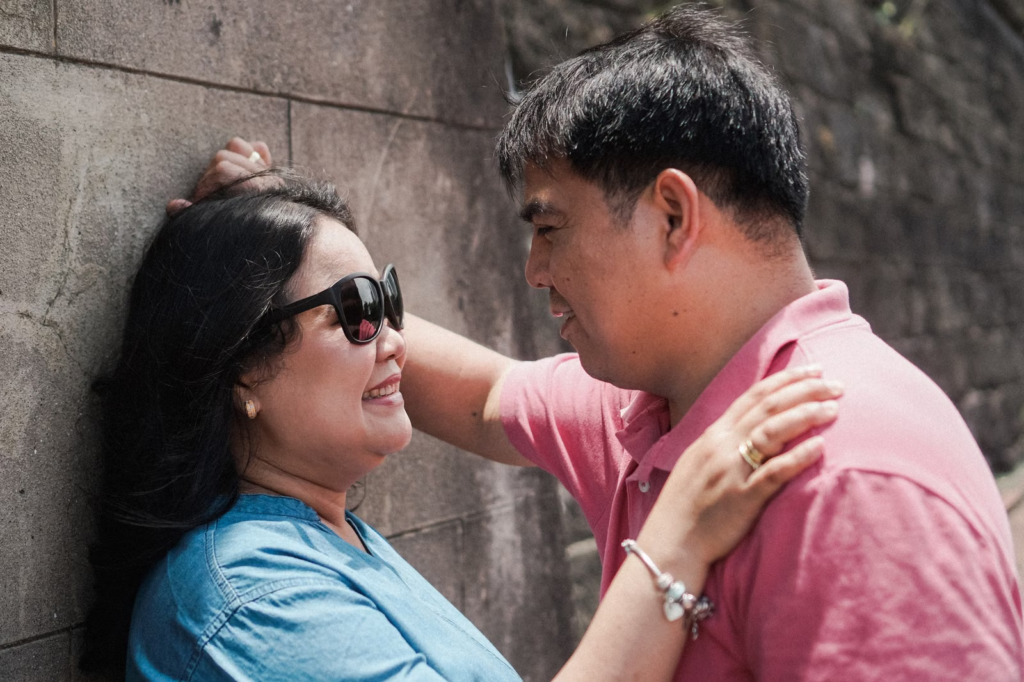
It’s also worth saying that plenty of men in this exact range are navigating a mirrored version of the same bias, feeling overlooked or deprioritized themselves for reasons that have little to do with who they actually are. Awareness of the structural issue benefits both sides of that dynamic, not just one.
Practically speaking, this means resisting the urge to treat age as the first and most important filter in your own search too. A woman a few years older or younger than your original mental target is still a full, specific person, and some of the best long-term matches happen outside the narrow range most guys start out assuming they need.
A lot of women over 40 find dating harder than it used to be, and the reasons are mostly practical. Their lives are fuller, with careers, maybe kids and a clearer sense of what they won’t put up with. Many men their age are dating younger, which shrinks the pool, although the truth about age gaps in dating is more complicated than the stereotype. Add apps that reward quick swipes over real compatibility, and it’s easy to see why women are done with dating apps. For men who show up with patience and clear intentions, it’s a real opportunity, and it’s part of why dating after 40 is actually better.
My coaching addresses this dynamic directly with men who are genuinely serious about connection over the more surface-level, checklist-driven approach to dating that a lot of the industry, and frankly a lot of dating culture broadly, tends to encourage. And my matchmaking partner LEVEL Connections works from real compatibility screening rather than just demographic filtering, which means it’s actively working against the structural bias I just described rather than reinforcing it.
