


Let me describe a scene that is probably familiar.
She asks a simple question what do you do, or why did you leave your last job, or what happened with that relationship. And instead of answering simply and directly, something happens. The answer becomes an essay. Every potential misunderstanding gets pre-emptively addressed. Context gets stacked on context. Qualifications get added to qualifications. What could have been two sentences becomes two minutes, and by the end of it she is nodding politely while something in the interaction has quietly died.
Over-explaining is one of the most consistent attraction killers I encounter in the men I work with. It is almost entirely invisible to the man doing it from the inside, the extra context feels responsible, thorough, respectful of her intelligence. From the outside, it reads as anxiety, approval-seeking, and a need to control how she perceives you that is the opposite of the groundedness that creates attraction.
What Over-Explaining Is Actually Communicating
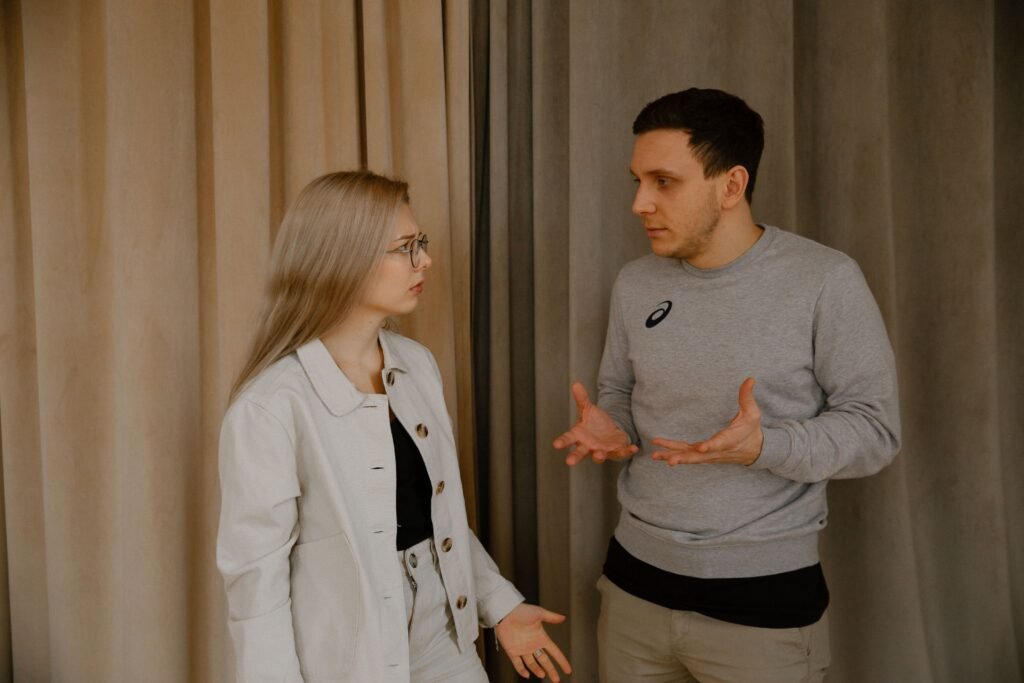
Every time you add an unnecessary qualification, anticipate an objection that was not raised, or explain yourself beyond what was asked, you are communicating something specific: I am worried about what you are going to think of me.
That worry is the signal she is receiving. Not the content of the explanation. The fact that the explanation is happening at all, at that length, with that energy behind it.
Confident people answer questions directly because they are not particularly concerned about the answer being judged. The answer is the answer. If she does not like it, that is interesting information about compatibility, not a crisis requiring management. That ease the ease of simply saying the thing without engineering the impression it will produce is what communicates security.
The man who over-explains is telling her, inadvertently, that her opinion of him is something he needs to actively manage. And that need however understandable does not feel like the groundedness of a man she can relax with.
The Patterns That Drive It

The LinkedIn Bio Answer
She asks what you do and gets your career arc, your current role and its scope, why it is more interesting than it sounds, and your three-year trajectory. Distilled: you are proud of your work and anxious about whether she will find it impressive. The direct answer would be one sentence. The value of the one-sentence answer is that it invites follow-up from genuine curiosity rather than politely waiting for you to finish.
The Defensive Pre-emption
You anticipate that something about your situation might be judged living situation, relationship history, a career transition and you pre-emptively explain and justify it before she has shown any sign of caring. What you are doing is defending against a verdict that has not been rendered. Which draws her attention to exactly the thing you were trying to manage, while also communicating that you think it is something requiring defence.
The Talking-Over-Silence Reflex
A natural pause in conversation arrives and it gets immediately filled with more words because the silence feels like something going wrong that needs to be fixed. Silence in conversation is not dead air. It is breathing room. It is the space in which she formulates her genuine response rather than simply reacting to the next thing you said. Filling it compulsively signals that you need the conversation to keep producing to feel okay.
What to Do Instead

The practical fix is simpler than it sounds and harder to execute than it sounds: answer what was asked, and stop. Not rudely. Not briefly for the sake of mystery. Simply say what the question actually requires and then be done. Let her respond to what you said rather than to the volume of what you produced.
If she wants more context, she will ask. And her asking is significantly more engaging than you providing — because her question is genuine curiosity, and genuine curiosity is the foundation of attraction. You cannot manufacture her interest by explaining your way into it. You create space for it by not filling every available moment with content.
The underlying work is developing enough comfort with her impression of you enough genuine security in who you are that you do not need to engineer that impression through explanation. That comfort comes from self-knowledge and self-regulation, not from better answers. When you know who you are and trust that it is enough, you stop explaining. You simply say.
Over explaining usually comes from anxiety, not honesty. This connects to being too logical about things that don’t need it, and it often shows up right where the ick starts creeping in.
